Explore the collection
Find a puzzle that fits the way you like to think
Puzzle games turn a small set of rules into a board full of possibilities. You might eliminate a number that cannot fit, uncover a safe square, or make room for the next shape. The collection brings together several ways to solve a problem, so you can choose between deduction, placement, and matching.
Start with a familiar game or try a different kind of board. Each game page includes its own instructions, features, and available editions; the guide below helps you decide which rules and pace suit your next break.
Work through number grids and hidden clues
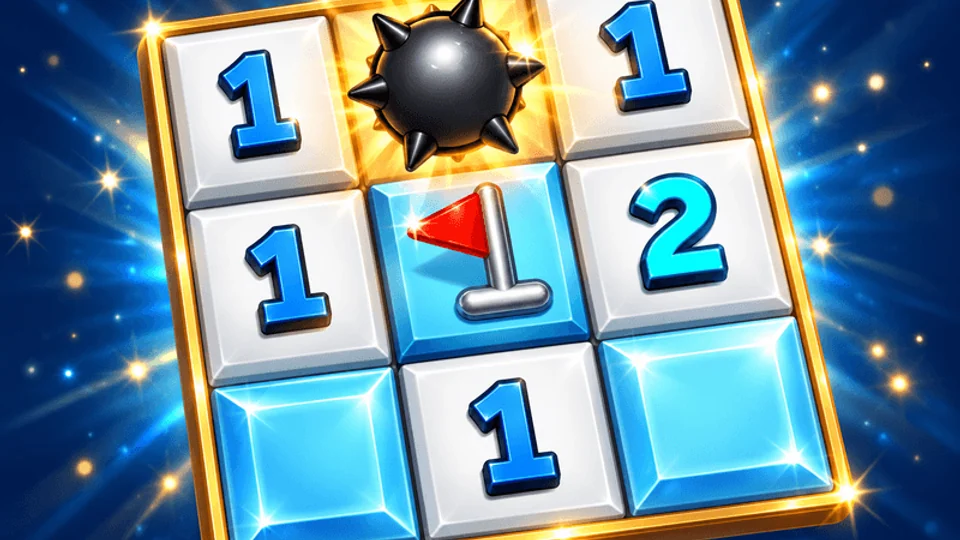
In Amazing Minesweeper, each revealed number counts nearby mines, including diagonals. Overlapping clues can identify a safe square or a confirmed mine. Simple Minesweeper also lets you choose a custom grid and mine count in its downloadable edition.
Make space with blocks, hexagons, and dice
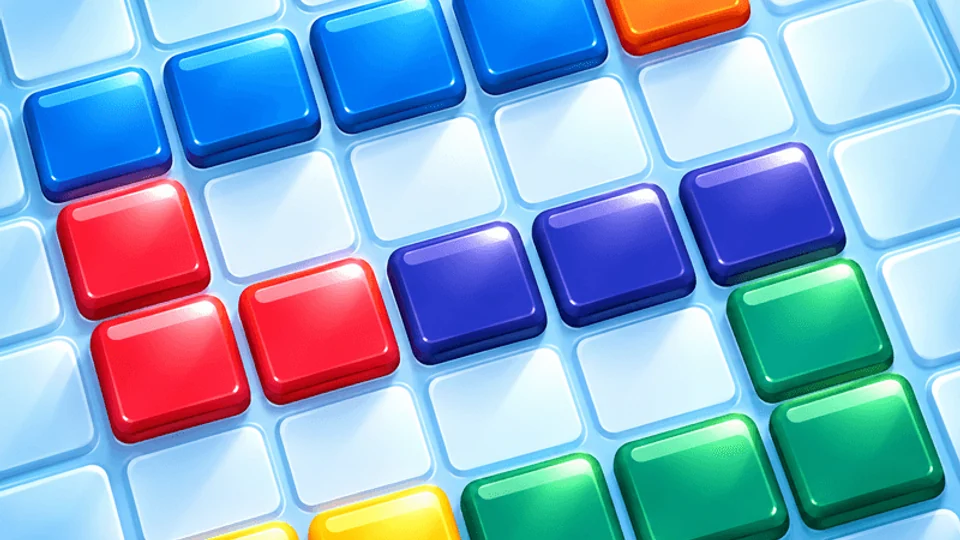
Amazing Squares asks you to fit shapes into a grid and complete rows or columns. Leave connected spaces for future pieces instead of creating narrow holes. Amazing Sticky Hex uses a different idea: the starting position of a hexagonal piece determines how its pattern spreads across the board.
Choose matching or letters for a different challenge
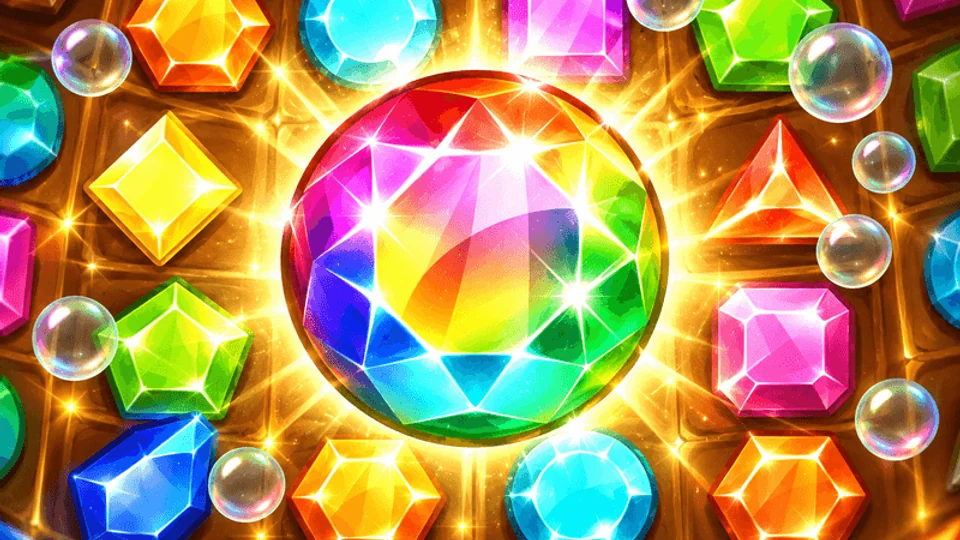
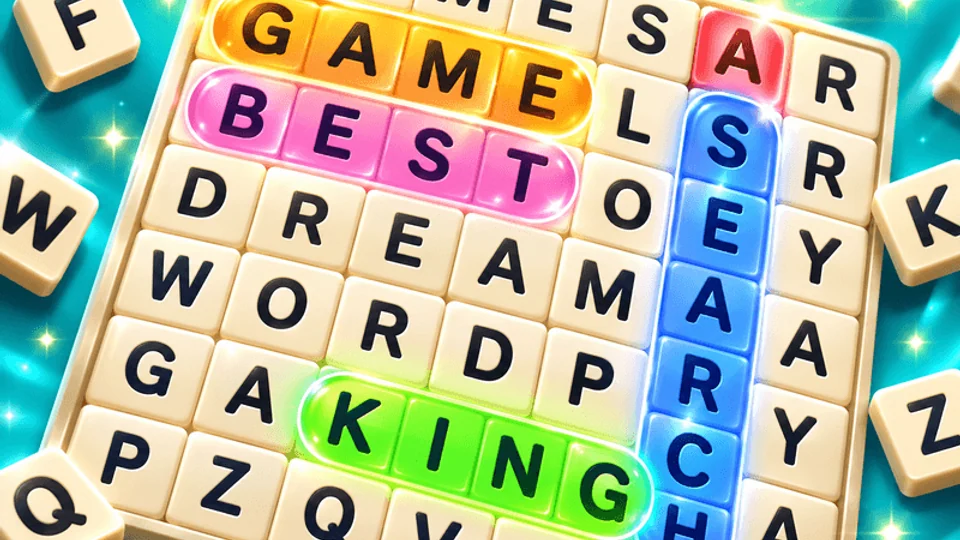
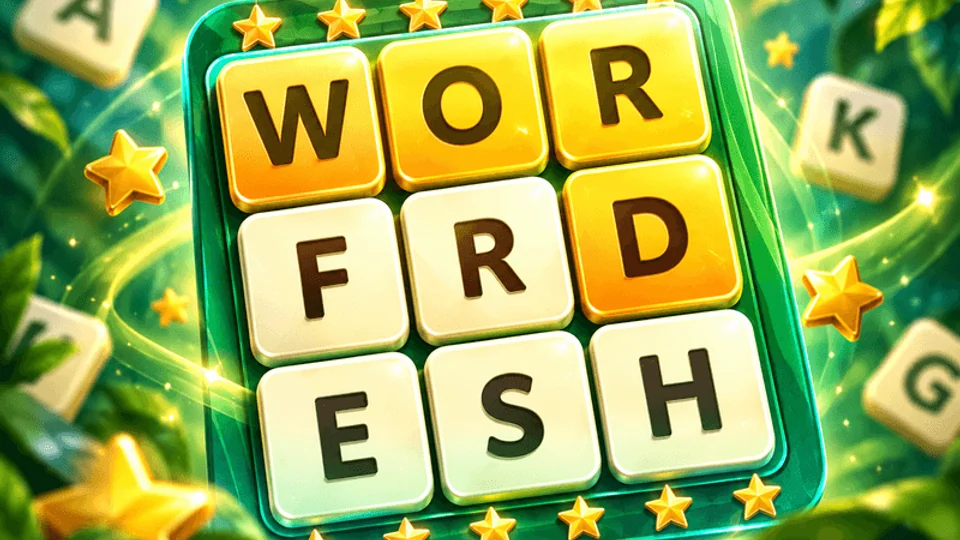
Amazing Jewels changes the board through swaps and cascading gems, while Amazing Mahjong removes free pairs from a layered layout. In both, a useful move can be the one that opens another option. For letter patterns, Amazing Word Fresh turns connected letters into words and refreshes the board after accepted answers.
Build a plan around the board you can see
Read the objective before moving. A deduction puzzle asks what must be true; a placement puzzle asks what space you will need next. When you want a narrower collection, explore match 3 games, word games, or Mahjong solitaire for more of that particular style.
Questions about puzzle games
Which puzzle games focus on logic?
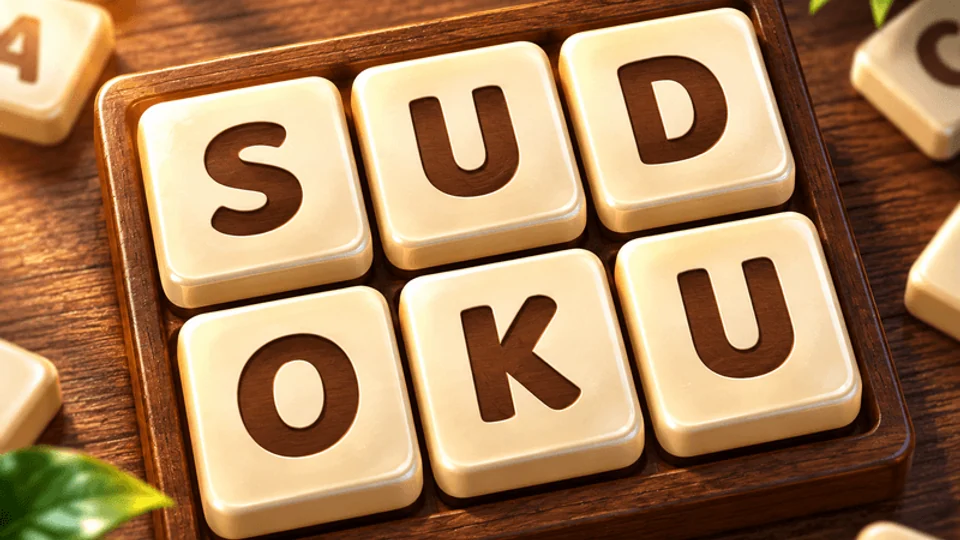
Sudoku uses row, column, and box restrictions. Minesweeper uses neighboring mine counts. Both let you compare clues before committing to a move.
What is the difference between Squares and Sticky Hex?
Squares fits block shapes into rows and columns. Sticky Hex asks you to choose a starting position for a spreading pattern on a hexagonal board.
Is there a puzzle without a level timer?
Sticky Hex lets you study its placement puzzles without a level timer. Other games may offer different modes or timers; check their individual guides before choosing.